
Why Mail Still Shapes Customer Experience in a Digital World
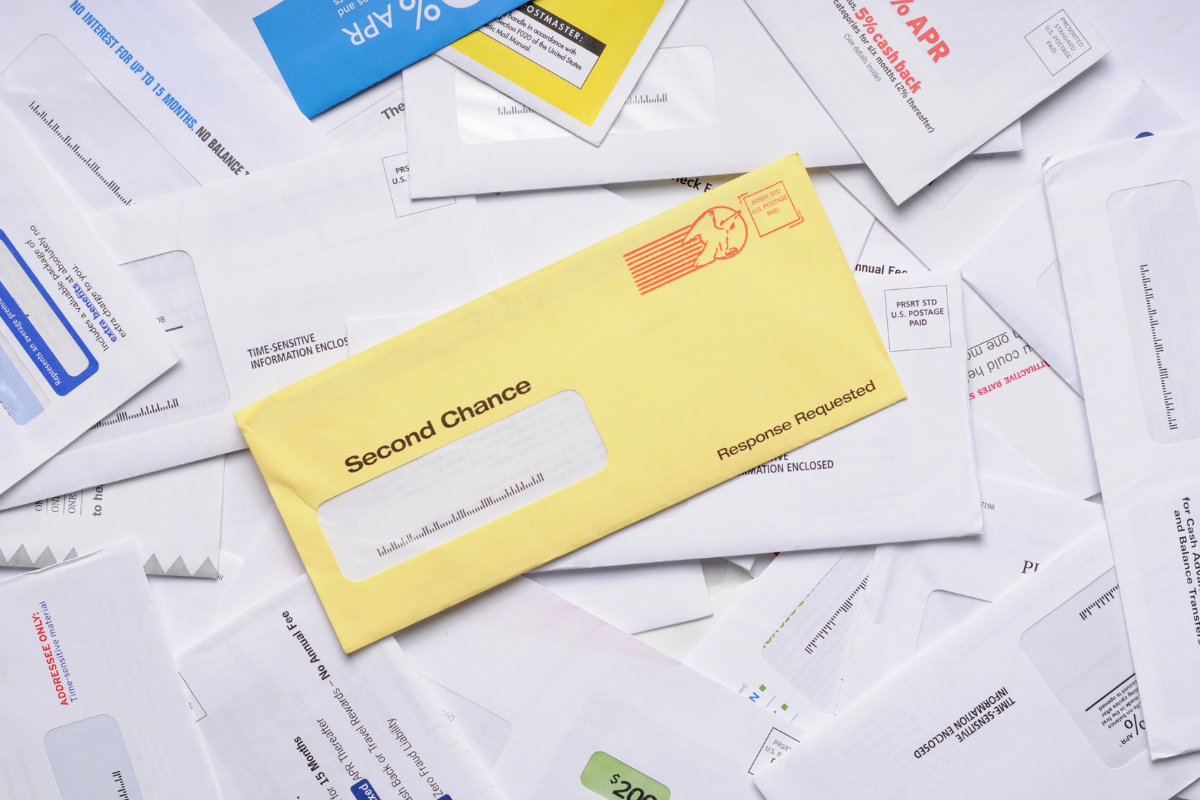
Most organizations communicate through email, portals, and text messages. Those channels are fast and convenient. Still, physical mail remains important for many customers. It is often used for messages that feel official or sensitive.
Common examples include:
- Bills and statements
- Account notices
- Healthcare communications
- Legal or compliance-related letters
- Time-sensitive updates
For many people, a mailed document carries weight. It feels more permanent. It also feels easier to keep for records.
Mail Builds Trust When the Message is Important
Mail often shows up at key moments in the customer journey. That is when trust matters most. If the document is clear, accurate, and professional, customers feel confident in the organization.
If it arrives late or looks sloppy, the opposite happens. Customers may question the organization’s reliability. That doubt can lead to more calls, complaints, and churn.
Timing Shapes the Experience
Customer experience depends on when information arrives. A statement that comes too late can create stress. A notice that arrives after a deadline can create bigger issues.
Poor timing often causes:
- Late payments and disputes
- Extra customer service volume
- Duplicate communications
- Internal scrambling to confirm what happened
Strong mail workflows reduce these problems. They create consistency. They also give teams more control over deadlines.
Mail Cuts through Digital Noise
Digital channels are crowded. Many customers ignore emails. Some messages never make it past filters. Others get lost in busy inboxes.
Mail is different. A physical letter still gets opened more often when it looks important. It can also be easier to read and keep. For certain messages, that matters more than speed.
Consistency Matters More than People Realize
Customers notice patterns. They notice whether mail is easy to understand. They notice whether it arrives on time. They also notice when things change without warning.
Consistent mail communication helps customers feel informed. It also reduces confusion. That leads to fewer support issues and better satisfaction.
Visibility Helps Teams Support Customers
Customers ask questions like:
- Did you send this?
- When was it mailed?
- Why did I receive two copies?
- Why did I not receive it at all?
If teams cannot answer quickly, the customer experience suffers. Clear preparation and outbound processes help teams respond with confidence.
Mail is Still Critical for Regulated Communication
Many industries use mail because it supports formal communication. It also supports compliance-driven workflows. Customers often expect sensitive documents to be handled carefully.
When mail is managed well, it supports privacy and trust. When it is managed poorly, it creates risk and frustration.
How Lineage Supports Better Mail Experiences
Lineage helps organizations improve mail reliability through structured services that support print and delivery workflows. This can reduce delays, reduce errors, and improve consistency.
Lineage solutions that support customer experience include:
When mail is prepared correctly and sent on time, customers feel informed. They also feel taken care of.
Mail is Not Outdated
Mail still plays a real role in customer experience. It shows up when the message matters. It shapes trust through accuracy and timing. It also helps customers feel confident in what they receive.
Organizations that treat mail as a key channel often see fewer problems. They also create a smoother experience for customers and internal teams. If your organization wants to improve the accuracy, timing, and reliability of customer communication, Lineage can help you strengthen your print-to-mail workflows with solutions built for scale and consistency. Schedule a free consultation today.