
Print vs Digital Isn’t the Question... Knowing When to Use Each Is
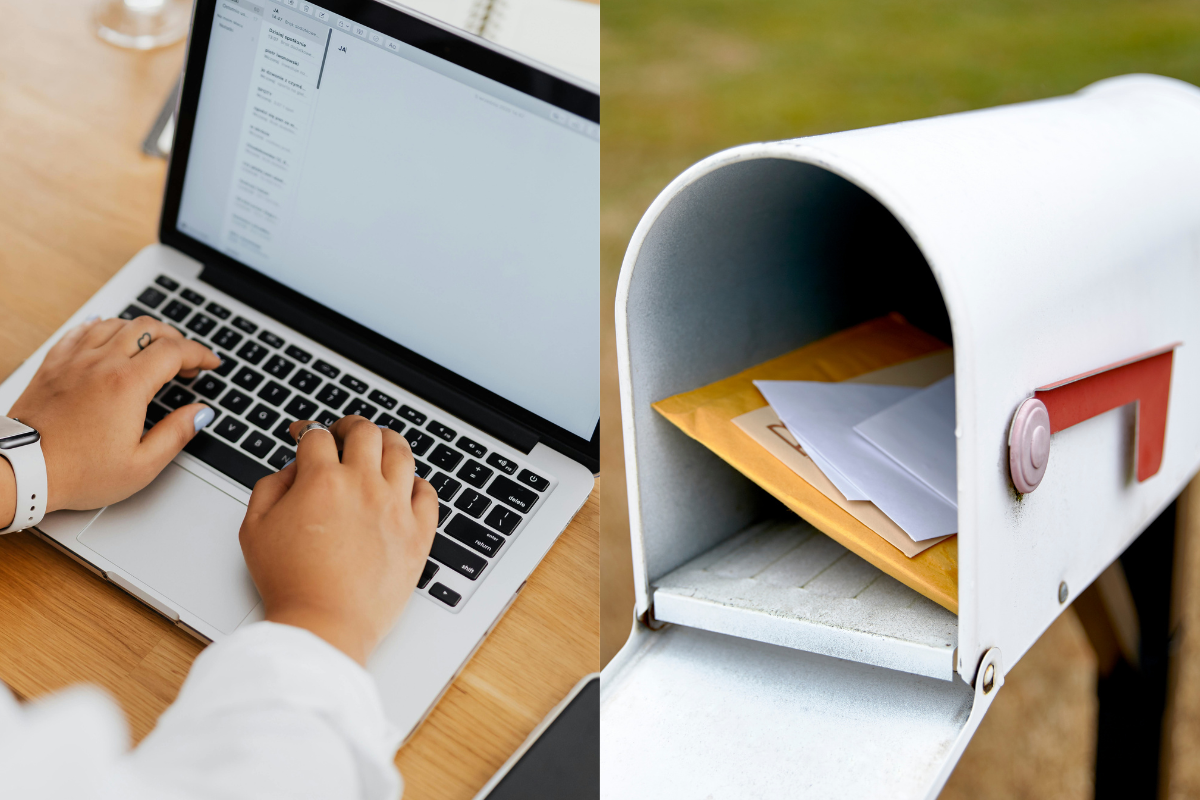
For decades, organizations have debated whether print is better than digital. Both have strengths and limitations, and both can serve important roles in communication strategies. It isn’t about which one is superior. It’s about understanding when and how to use each channel effectively.
Print delivers a tangible message that people can hold and revisit. It doesn’t rely on algorithms or filters to reach recipients. Digital communication delivers immediacy and broad reach with trackable metrics. The two can complement each other.
Instead of asking whether print or digital is better, the smarter question is: Which channel best serves the customer at this moment and for this message?
When to Choose Digital Communication
Digital communication moves information fast. An email or portal message can reach thousands of customers in seconds. It is easy to update and easy to measure. When a message must go out quickly, or when updates are frequent, digital solutions excel.
Digital messages also integrate with analytics, reporting, and customer systems. They provide measurable feedback that teams can use to improve future communication.
But digital also competes with a lot of noise. Customers receive many emails daily, and some messages may be overlooked or filtered out by spam protection.
When to Choose Print Communication
Print still plays a significant role, especially for communications that customers keep, read more intentionally, or reference over time. When information requires deeper focus, print often outperforms on engagement.
Studies show that people concentrate better and often remember information more when it is presented on paper. For customer communications that are formal, detailed, or require retention (such as billing statements, contracts, notices, and regulated communications) print remains an effective channel.
Print also helps in contexts where the audience may not be actively engaged online or when a document needs to be filed physically for compliance or record-keeping.
How to Decide Between Print and Digital
|
Criteria |
Print Mail Strengths |
Digital Delivery Strengths |
|
Attention & Engagement |
Often leads to deeper focus and recall when people read printed material, especially for long or detailed documents. |
Quick engagement and near-instant delivery. Great for shorter, time-sensitive content. |
|
Reach & Speed |
Takes longer to deliver but is noticed physically. |
Near-instant global delivery with real-time tracking. |
|
Perceived Trust & Official Tone |
Physical mail feels formal, official, and permanent. |
Users expect fast updates and confirmations via email or portals. |
|
Best for Complex or Evergreen Content |
Effective for multi-page statements, legal notices, or detailed information customers will refer to later. |
Ideal when information changes often or requires immediate action. |
|
Cost & Flexibility |
Costs more due to production and delivery but can build stronger lasting impressions. |
Typically lower cost and easy to adjust or resend. |
Rather than choosing one channel for everything, organizations benefit from asking a few key questions:
- Is the communication time-sensitive?
- Does it contain detailed or complex information?
- Is there a compliance requirement for physical delivery?
- Does the audience prefer physical documents?
- Could digital delivery support ease of access and tracking?
The answers help teams decide which channel or combination of channels will serve both the organization and the recipient best. For many organizations, the right approach is hybrid: mixing print and digital delivery based on purpose and preference.
Integrating Print and Digital
When an organization needs both mail and digital versions of a document, the process doesn’t have to be twice the work. Structured communication workflows allow a single document to support multiple delivery channels.
Lineage helps organizations achieve this through:
- Document Management Solutions that centralize files, version control, and routing logic.
- Print-to-Mail Outsourcing that produces and mails physical copies when needed.
- Mail Preparation Outsourcing to handle folding, inserting, and delivery prep.
- Outbound Shipping Solutions that add visibility and tracking to physical deliveries.
This mix helps teams send the same communication through the appropriate channel without repeating labor. Consolidating workflows and routing logic into one system supports both digital and print delivery without extra work.
A Smarter Approach Improves Communication Outcomes
The question is not whether print or digital is better overall. The question is about context, audience, and purpose. Some messages are quicker and more efficient through digital delivery. Others benefit from the formality and attention that print provides.
By understanding when to use each channel, organizations can tailor communication strategies that improve customer experience, reduce errors, and enhance clarity.
If your organization wants help building communication workflows that use print and digital delivery in the most effective way, Lineage can help you design a system that fits your audience and your message. Get in touch today.